
Wattle Hill Journal shares practical, down-to-earth guidance on rural heritage and oast house living in the kent and sussex weald for readers across the UK.
- 0123456789
- Angle Bd Abdelmoumen & rue soumaya, Résidence
- [email protected]
Wattle Hill Journal shares practical, down-to-earth guidance on rural heritage and oast house living in the kent and sussex weald for readers across the UK.
 By Oliver Merriman
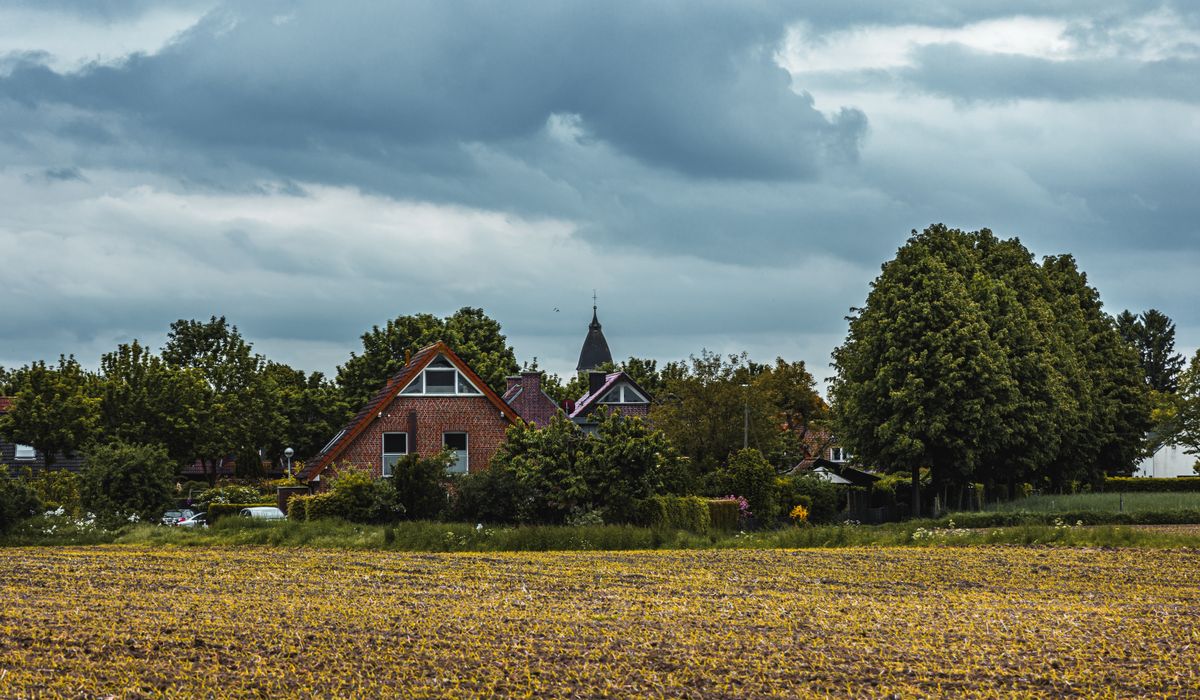
If you have ever driven through the Kent and Sussex Weald, you will have seen them: those distinctive white, conical hats perched on round or square brick towers. They are the cowls of oast houses, the buildings that once dried the hop harvest. The cowl is not just a pretty roof. It is a working wind-powered extractor, and its shape, construction and condition tell you a great deal about the oast's age and fortunes. For anyone who loves rural heritage, learning to read a cowl is a quiet pleasure.
Most traditional cowls are made from wooden boards, usually painted white, and topped with a wind vane. While every cowl is unique, you can group them into three broad shapes.
Many cowls are octagonal, built from overlapping boards, though round examples exist. The vane is usually a wooden arrow or a metal banner, fixed to the cowl's spine.
A cowl is a clever piece of vernacular engineering. It sits on a central post – often a hefty oak beam – or on a ring of cast-iron rollers that run on a circular track. The wind vane is connected directly to the cowl, so as the breeze shifts, the vane catches it and swings the whole structure around.
The open mouth of the cowl always ends up facing downwind. The curved back then presents itself to the wind, creating a suction effect that draws moist air up through the hops on the drying floor below. It is the same principle as a chimney cowl or an extractor fan, but driven entirely by nature. A well-balanced cowl turns with the lightest breath of wind; a stiff one may need a good gust.
Look closely at a cowl and you are reading a biography. The paint – usually white, sometimes cream or pale grey – flakes and peels in a distinctive pattern. Rot often starts at the base ring, where water sits. A missing or bent vane suggests years of neglect or a storm. A cowl that no longer turns may have seized bearings or a swollen post.
You do not need to own an oast to enjoy cowl-spotting. From a public footpath, look for the white cone against the sky. Ask yourself: is it tall and curved, or short and straight? Does the vane point into the wind? Is the cowl turning, or is it stuck? Compare neighbouring oasts – the differences are often more revealing than the similarities. A pair of oasts with two different cowls is a history lesson in itself.
If you are lucky enough to live in a converted oast, the cowl is both a joy and a responsibility. It will creak and groan in a gale, and it will need regular inspection. Keep the track clear of debris, check the vane for balance, and treat any soft wood before it spreads. A cowl that turns freely is a healthy cowl. And when you lie in bed listening to it swing, you are hearing the same sound that hop farmers heard a century ago – the Weald's own weathervane, still doing its quiet work.


We are not gonna make spamming
