
Wattle Hill Journal shares practical, down-to-earth guidance on rural heritage and oast house living in the kent and sussex weald for readers across the UK.
- 0123456789
- Angle Bd Abdelmoumen & rue soumaya, Résidence
- [email protected]
Wattle Hill Journal shares practical, down-to-earth guidance on rural heritage and oast house living in the kent and sussex weald for readers across the UK.
 By Oliver Merriman
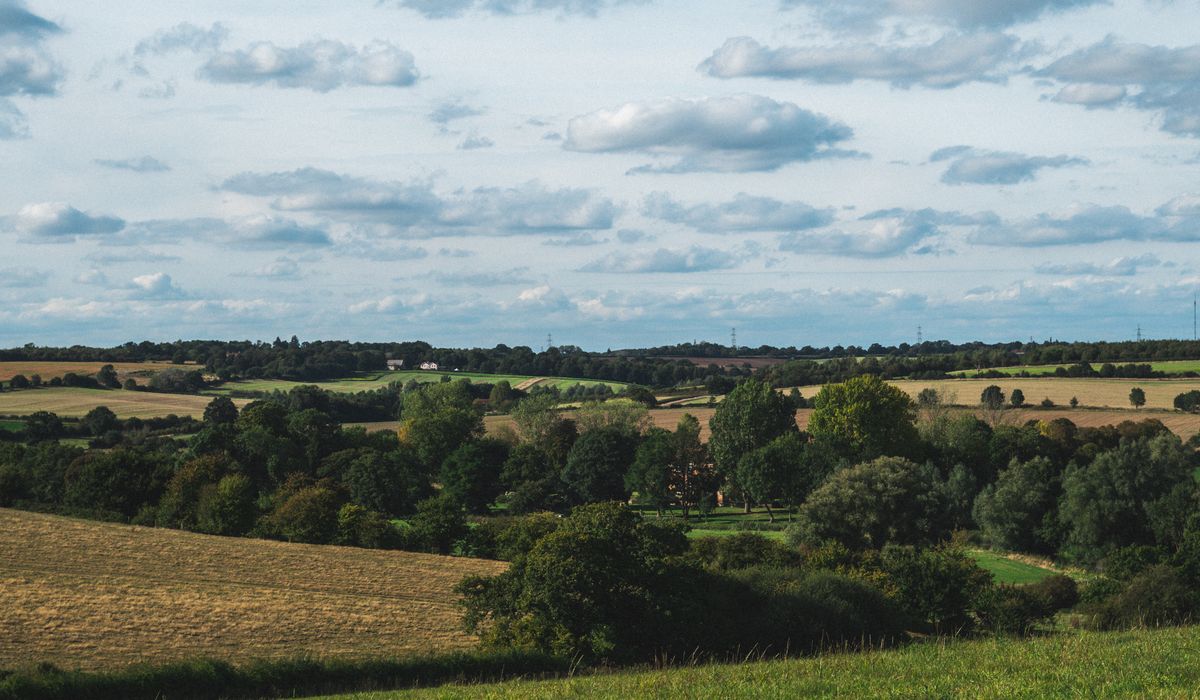
If you've driven through the Kent and Sussex Weald, you'll have seen them: those curious buildings with conical roofs and white cowls, like a cluster of pointed hats. These are oast houses, and they were built to dry hops after harvest. The two key shapes you'll spot are the roundel – a circular kiln – and the square kiln, which is exactly what it sounds like. Understanding how these two forms worked together is to understand the rhythm of the hop year and the distinctive mark it left on the landscape.
A roundel is a circular brick or stone building, typically four to six metres in diameter, with walls up to half a metre thick. Inside, at ground level, sat the furnace or fire. Above it, a drying floor made of horsehair cloth stretched over a wooden frame. Hops were spread on this cloth in a layer about 30 to 45 centimetres deep. The conical roof above ended in a rotating cowl – a wooden or metal cap that turned with the wind to draw hot air up through the hops and out.
The square kiln, by contrast, had a rectangular or square footprint with a pyramid or gable roof. Its walls were similarly thick, but its corners created dead spots where air didn't circulate evenly. Hops near the corners dried slower, risking mould. Square kilns often used a simple louvre rather than a rotating cowl, which made them less efficient in shifting winds.
In a typical hop farm, you might find a square kiln and one or more roundels side by side, sharing a central stowage where dried hops were cooled and packed. The square kiln often handled the first, gentler stage of drying – sometimes called 'wilting' – at a lower temperature, around 30–35°C. This removed initial moisture without scorching the hops. The roundel then finished the job at a higher temperature, up to 60°C, with its superior airflow ensuring even drying. The square kiln's smaller capacity suited small batches or different hop varieties. Together, they allowed a grower to process the harvest steadily over several weeks.
The roundel's circular plan was a triumph of practical design. No corners meant no dead spots, so every hop cone dried at the same rate. The conical roof encouraged a steady chimney effect, and the rotating cowl kept the draught constant regardless of wind direction. This functional geometry, repeated across the Weald, created one of England's most recognisable rural skylines. The square kiln, with its steeper pyramid roof, adds a contrasting blocky silhouette. Together they tell the story of an industry that shaped the region: the hop gardens, the oast houses, the hoppers who travelled from London each September.
Converting an oast house into a home is a labour of love. The roundel's circular walls make furniture placement interesting – you learn to embrace curved sofas and round dining tables. The conical ceiling in a roundel often becomes a spectacular bedroom or sitting room, with light from a central rooflight or the original cowl opening. Square kilns, with their straighter walls, usually become kitchens, studies, or bathrooms. Practical challenges include insulation – those thick walls are great in summer but can be cold in winter – and heating, as the tall conical spaces lose warmth. But the quirks are part of the charm: the sense of living inside a piece of working history.
Most oast houses are listed buildings, and for good reason. The roundel and square kiln are irreplaceable records of a lost agricultural economy. If you own one, repairs should use traditional materials: lime mortar, oak timbers, and clay tiles for the roof. The cowl, if original, needs regular greasing to rotate freely; many are now fixed, which is fine for ventilation but changes the building's character. Keeping the roundel's drying floor intact – even if not used – helps tell the story.


We are not gonna make spamming
