
Wattle Hill Journal shares practical, down-to-earth guidance on rural heritage and oast house living in the kent and sussex weald for readers across the UK.
- 0123456789
- Angle Bd Abdelmoumen & rue soumaya, Résidence
- [email protected]
Wattle Hill Journal shares practical, down-to-earth guidance on rural heritage and oast house living in the kent and sussex weald for readers across the UK.
 By Eleanor Whitcombe
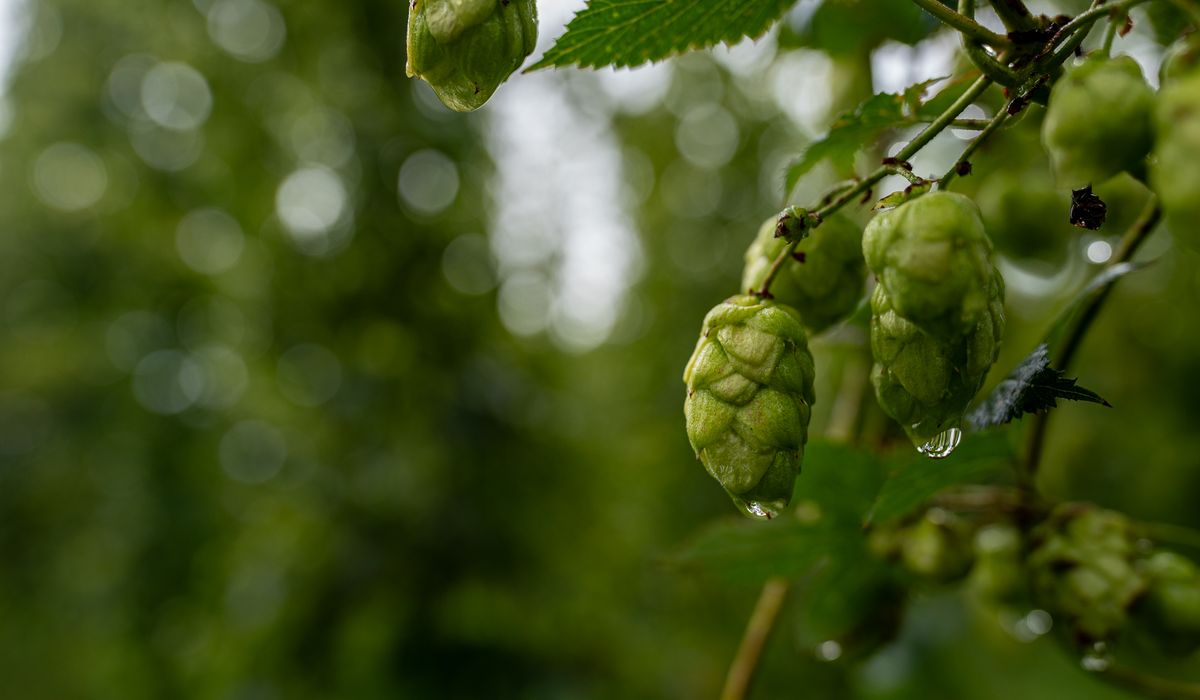
In the Kent and Sussex Weald, the oast house stands as a reminder of a time when hops were king. Alongside those conical roofs, another quiet hero of the harvest was the Sussex trug. This shallow, wooden basket, with its chestnut rim and willow body, was carried through hop gardens, orchards, and kitchen gardens. The trug's shape was born from the needs of the hop fields: it had to be light, strong, and wide enough to hold a bushel of hops without bruising them. Today, making a trug by hand connects you to that rural heritage. It is a practical craft, using materials from the Wealden woods, and the result is a basket that gardeners and harvesters still treasure.
The frame of a traditional trug is made from sweet chestnut, grown in coppiced woods across the Weald. Look for straight, clean poles, cut in winter when the sap is down. The wood should be free of knots and large branches, as these create weak points when bending. Select poles about 5 to 8 cm in diameter for the rim and handle. After cutting, the chestnut is split into thin boards using a cleave and a drawknife. These boards are then seasoned for at least a year in a dry, airy shed. This slow drying prevents warping and gives the wood the flexibility needed for shaping.
The body of the trug is made from willow, which grows abundantly in the damp valleys of the Weald. Willow rods are harvested in winter and then soaked to become pliable. Traditionally, bundles of willow were submerged in a pond or a long trough for several weeks. Soaking is the secret to bending willow without splitting. The water softens the fibres so the rods can be shaped around the trug's frame. After soaking, the willow is kept damp until use. For a trug, you need rods of consistent thickness, often peeled to a creamy white or left with their natural bark for a rustic look.
To begin shaping, the chestnut rim is bent around a wooden mould, usually an oval form that gives the trug its classic shape. The chestnut boards are soaked or steamed briefly to make them supple, then clamped to the mould and left to dry. The handle is shaped from a single piece of chestnut, curved to fit the hand and pinned to the rim with copper nails. Next, the soaked willow rods are laid across the rim, overlapping like tiles. Each rod is bent to follow the curve and pinned in place. Work from the centre outwards, adjusting each board so the trug sits flat and the sides are even. The pins are small and made of copper or brass to resist rust.
Once assembled, the trug is left to dry slowly in a cool, airy place. As the willow and chestnut dry, they shrink slightly and grip the pins tightly, making the basket rigid and durable. No varnish or oil is needed; the natural wood ages to a warm honey colour. A well-made Sussex trug will last for decades. Gardeners use it for carrying vegetables, weeds, and cut flowers. Harvesters fill it with apples, hops, or soft fruit. In an oast house or a Wealden cottage, a trug hangs by the door, ready for the next task. To care for it, keep it dry when not in use and avoid leaving it in direct sun. With a little attention, it becomes a trusted companion through every season. A trug is not just a tool; it is a piece of living heritage, as much a part of the Weald as the oast house or the chestnut coppice.


We are not gonna make spamming
