
Wattle Hill Journal shares practical, down-to-earth guidance on rural heritage and oast house living in the kent and sussex weald for readers across the UK.
- 0123456789
- Angle Bd Abdelmoumen & rue soumaya, Résidence
- [email protected]
Wattle Hill Journal shares practical, down-to-earth guidance on rural heritage and oast house living in the kent and sussex weald for readers across the UK.
 By James Ashdown
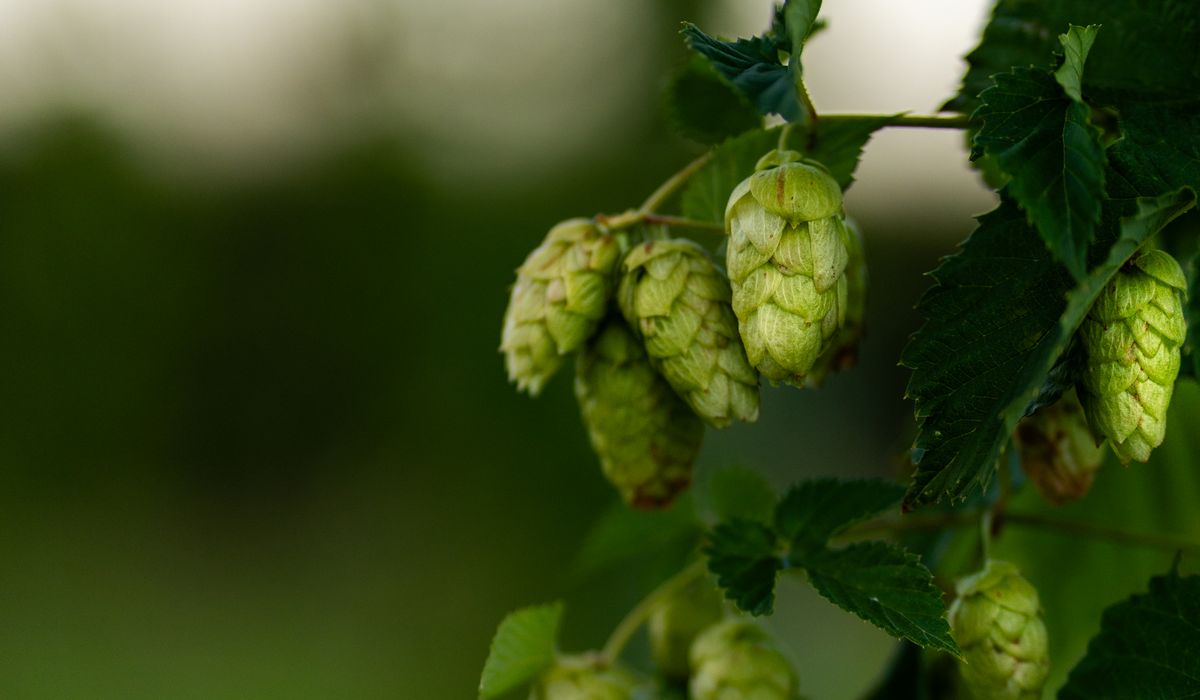
The Kent and Sussex Weald is defined by its oast houses, those distinctive conical kilns that once dried the annual hop harvest. Today, many smallholders and heritage enthusiasts are reviving this tradition, planting hops in gardens, allotments, and small plots. Whether you are growing a few bines for home brewing or to preserve a piece of rural history, you will soon discover that hops are not without their adversaries. The damp, temperate climate of the Weald is ideal for hops, but it also encourages a trio of common problems: aphids, downy mildew, and red spider mite. This article helps you identify each and offers organic and traditional controls suited to small-scale growing.
The hop aphid (Phorodon humuli) and the damson-hop aphid are the most frequent visitors to English hop gardens. In spring, winged aphids migrate from damson and sloe trees to hops, where they multiply rapidly on young shoots and the undersides of leaves. You will notice curled, distorted leaves, stunted growth, and a sticky honeydew that coats foliage and cones. This honeydew soon attracts sooty mould, turning leaves black and reducing photosynthesis.
For small-scale growers, vigilance is your best weapon. Inspect the growing tips and leaf axils twice a week from May onwards. Squash any colonies you find by hand. Encourage natural predators such as ladybirds, lacewings, and hoverflies by planting companion flowers like calendula, dill, and fennel nearby. A strong jet of water can dislodge aphids from sturdy bines. If numbers build, apply a horticultural soap or a dilute neem oil spray in the evening, ensuring you cover leaf undersides. Traditional controls include a nettle or garlic infusion, sprayed every few days until the aphids retreat.
Downy mildew (Pseudoperonospora humuli) is the most serious disease in the Weald's humid climate. It thrives when spring and summer are wet, and temperatures sit between 15°C and 20°C. Look for yellowing patches on the upper leaf surface, with a greyish-purple fungal growth on the underside. Infected shoots become stunted and pale, forming characteristic "spikes" rather than normal bines. Later, cones may turn brown and fail to develop.
Organic control begins with airflow. Prune lower leaves to improve ventilation and avoid overhead watering—water at the base instead. Remove and destroy any spiked shoots immediately; do not compost them. A copper-based fungicide, such as Bordeaux mixture, is permitted in organic systems but should be used sparingly and only as a last resort. Traditional growers often rely on good drainage and planting in open, sunny spots. Where possible, choose resistant hop varieties, though no variety is completely immune. Keeping the ground clear of fallen leaves in autumn reduces overwintering spores.
Red spider mite (Tetranychus urticae) is tiny—barely visible to the naked eye—but its damage is unmistakable. It favours hot, dry conditions, which are becoming more common in British summers. Look for fine webbing on the undersides of leaves, alongside speckled, yellowing foliage that eventually turns bronze and drops. Heavy infestations can defoliate a hop plant in weeks.
Unlike downy mildew, red spider mite dislikes humidity. Misting the foliage on hot days can help, but you must balance this against the risk of mildew. A better approach is to introduce predatory mites (Phytoseiulus persimilis), which are available from specialist suppliers. Insecticidal soap is effective if applied thoroughly to leaf undersides. Remove and bin heavily infested leaves. Traditional methods include keeping plants well-watered and using a fine water spray to disrupt webbing. Avoid dusty conditions, which favour the mite.
Small-scale growers cannot rely on the synthetic sprays used in commercial yards. Instead, build a resilient garden ecosystem. Companion planting with garlic, chives, and marigolds can deter pests. Nettle tea—steeped for a week and diluted—acts as a general tonic and mild insect repellent. Horsetail tea is a traditional remedy for mildew, strengthening leaf surfaces.
Remember that a little damage is tolerable. A few aphids feed ladybirds; a spotted leaf or two does not ruin a harvest. Your goal is balance, not perfection.
Growing hops in the Weald connects you to centuries of rural heritage. The oast houses that dot the landscape are silent witnesses to the care once lavished on these plants. As a small-scale grower, you inherit that tradition of close observation and gentle intervention. By learning to identify aphids, downy mildew, and red spider mite early, and by applying organic and traditional controls, you can keep your hop garden healthy and productive. Each season brings new lessons, but the rewards—fresh green cones, the scent of drying hops, and a living link to the past—are well worth the effort. Stay curious, keep a notebook, and enjoy the quiet rhythms of the hop garden.


We are not gonna make spamming
