
Wattle Hill Journal shares practical, down-to-earth guidance on rural heritage and oast house living in the kent and sussex weald for readers across the UK.
- 0123456789
- Angle Bd Abdelmoumen & rue soumaya, Résidence
- [email protected]
Wattle Hill Journal shares practical, down-to-earth guidance on rural heritage and oast house living in the kent and sussex weald for readers across the UK.
 By James Ashdown
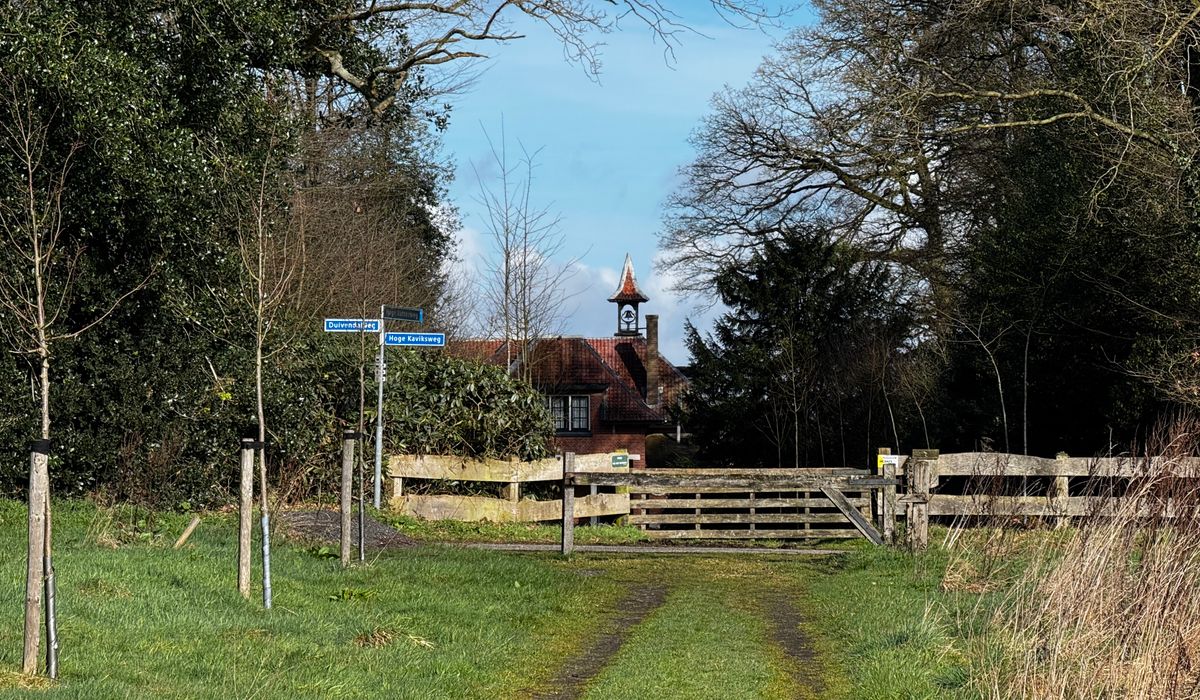
The hop gardens of Kent and Sussex once fed the oast houses that still punctuate the Weald landscape, their white cowls turning on the wind. You do not need an acre at Monks Horton to join that tradition. A single hop bine, grown up a stout pole beside a shed, will happily produce enough cones for a few brew days, a dried arrangement, or the makings of a sleepy herbal pillow. What it demands is sun, water, and something genuinely strong to climb.
Hops are vigorous, herbaceous perennials, dying back to the crown each autumn and throwing fresh bines in April. That means they take up little visual space in winter and give you a fast, leafy screen in summer. They are also remarkably forgiving of the Wealden clay and loam that defeats so many fussier plants, provided you open up heavy ground with grit and well-rotted organic matter. The main constraint is height: a healthy bine can reach five or six metres in a single season, so think vertical before you think pretty.
Traditional English varieties do well here, though a few are more manageable than others.
Plant rhizomes in March or early April, once the soil has warmed a little, setting them about five centimetres deep and a metre to a metre and a half apart. If you only have room for one, buy a named female variety — the cones are what you are after, and seedless ones are far better in the kettle.
Give hops a south or south-west facing spot with six hours of direct sun and shelter from strong wind, which snaps brittle bines. They dislike standing water far more than they dislike dry spells, so on Wealden clay dig in two or three buckets of grit and compost per planting hole, and consider a slight ridge to lift the crown above winter wet. A soil pH of 6.0 to 7.5 suits them well.
Keep the ground around the crown clear for the first metre; weeds compete badly with young bines. Once established, a mulch of well-rotted manure or garden compost, five to eight centimetres deep, does the weeding and the feeding in one go.
This is where most small hop gardens fail. Flimsy cane wigwams collapse in July, taking the bines with them.
Start training in late April, when the strongest two or three bines have reached about thirty centimetres. Wind them clockwise around the string — they will follow the sun — and pinch out any extra shoots at ground level to concentrate energy. A little loose string tied every forty centimetres will stop the bines slipping down in a gale.
From June to August, hops are thirsty. In dry spells, water deeply every other day, roughly four to five litres per plant, aiming at the roots rather than the foliage and preferably in the morning. A soaker hose on a timer earns its keep. Wherever possible, water the ground and keep the leaves dry, because damp foliage invites downy mildew — the gardener's main enemy with hops.
Feed lightly in May with a balanced organic fertiliser, then switch to a potash-rich feed, such as comfrey or comfrey-and-manure tea, from early July. Too much nitrogen late in the season produces leafy growth and precious few cones. Watch for aphids in high summer; a firm jet of water or a dilute soft soap spray usually sees them off, and ladybirds do the rest.
Cones are ready from late August into September. Squeeze one: it should feel papery and springy, and the yellow lupulin inside should be abundant and strongly aromatic. Pick on a dry day, leaving a short stalk, and handle them gently to preserve the oils.
Dry them in a warm, dark, well-ventilated place — a shed with a fan, or trays in a low oven with the door ajar at around 35°C for a day or two — until the cones rustle and the central stem snaps rather than bends. Store in an airtight bag or jar in the freezer, where they will keep their aroma for a year or more. Fresh cones can also be used straight away, though you will need roughly five times the weight of dried ones.
And if you would rather not brew? A few dried bines make handsome garlands for an oast house kitchen, and the cones dry beautifully in wreaths, carrying a little of the Weald's old harvest into the darker months.


We are not gonna make spamming
