
Wattle Hill Journal shares practical, down-to-earth guidance on rural heritage and oast house living in the kent and sussex weald for readers across the UK.
- 0123456789
- Angle Bd Abdelmoumen & rue soumaya, Résidence
- [email protected]
Wattle Hill Journal shares practical, down-to-earth guidance on rural heritage and oast house living in the kent and sussex weald for readers across the UK.
 By Eleanor Whitcombe
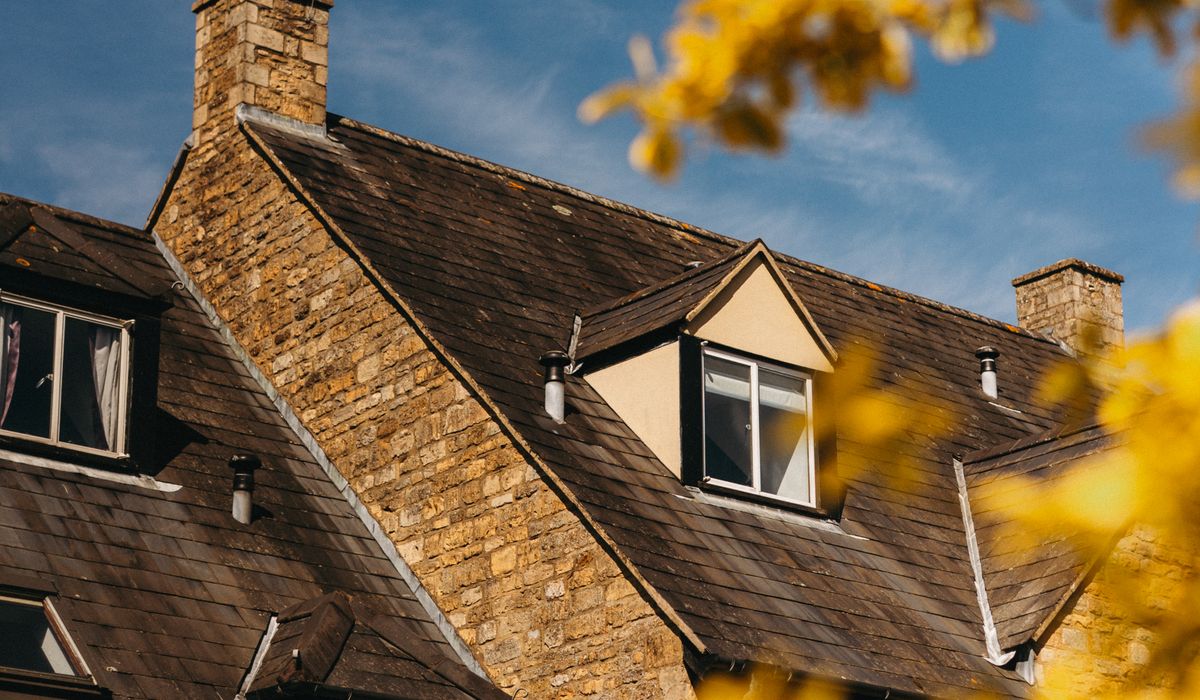
The Weald of Kent and Sussex is a landscape shaped by centuries of human care. Its ancient woodlands, many of them continuous since at least 1600, are living museums of rural heritage. A gentle walk through these woods in spring reveals bluebells, coppiced hazel, and old boundary banks that tell a story of woodland management. And if you look across the fields, you might spot an oast house or two — those iconic conical roofs that remind us how these woods once fuelled the hop trade.
In late April and early May, the woodland floor turns a shimmering blue. Our native bluebell (Hyacinthoides non-scripta) is an ancient woodland indicator, meaning it rarely grows in woods that have been cleared or planted recently. The best displays are in woods that have been continuously wooded for centuries, and where traditional management has let light reach the ground.
Walk quietly and keep to the paths. Bluebells take years to establish and can be damaged by trampling. A good spot to see them is any wood with a mix of oak, ash, and hazel, on slightly acidic soils. The scent is sweet and unmistakable — a sign that spring is truly here. Native bluebells have narrow leaves and drooping, deep-blue bells on one side of the stem; the Spanish variety, often planted in gardens, is more upright and paler. Stick to the natives.
Look for hazel stools — clusters of slender stems growing from a single base. These are coppiced hazels, cut on a rotation of seven to fifteen years. Coppicing is an ancient practice that prolongs the life of the tree, sometimes for centuries. The cut stems were used for hurdles, thatching spars, bean poles, and — crucially for this region — hop poles.
The cycle of cutting lets sunlight flood the woodland floor, encouraging bluebells and other wildflowers. It also creates a mosaic of habitats for insects, birds, and small mammals. You can often see the remains of old coppice stools, gnarled and moss-covered, beside the path. Some stools in the Weald are thought to be over 500 years old, repeatedly cut and regrown.
As you walk, you may notice low banks running through the wood, sometimes with a ditch alongside. These are woodbanks or boundary banks, often hundreds of years old. They marked the edge of the wood, separating it from open land or another parish. Some are medieval in origin, and they are protected as archaeological features. In Sussex, you might hear them called dykes.
Look for veteran trees — ancient oaks or hornbeams — growing on the banks. These trees were often pollarded (cut above head height) to provide fodder and wood without killing the tree. The banks themselves are home to mosses, ferns, and sometimes rare plants. They are a physical record of how our ancestors managed the land, and they often follow the natural contours of the Weald's clay and sandstone soils.
Oast houses are a defining feature of the Kent and Sussex landscape. These distinctive buildings with conical roofs and cowls were used to dry hops after harvest. The hops were grown in the surrounding fields, and the woodlands provided the hop poles — long, straight hazel or chestnut rods — that the hop bines climbed.
The same woods also supplied fuel for the oast house fires. Coppiced wood, dried and bundled, was burned to dry the hops. Charcoal was sometimes made in the woods too, adding to the rural economy. So next time you see an oast house, remember that its existence depended on the managed woodland you are walking through. Many oast houses are now converted into homes, but their heritage is intertwined with these ancient woods.
To enjoy the Weald's ancient woodlands, choose a waymarked path or a public footpath. The High Weald is a good area, with many woods open to the public. Wear sturdy boots, as paths can be muddy. Bring a map and a sense of curiosity. Early morning is best for birdsong; late afternoon for soft light through the trees.
Take your time. The Weald's woodlands are not just pretty scenery; they are a working landscape with a deep history. By walking gently, you become part of that heritage.


We are not gonna make spamming
