
Wattle Hill Journal shares practical, down-to-earth guidance on rural heritage and oast house living in the kent and sussex weald for readers across the UK.
- 0123456789
- Angle Bd Abdelmoumen & rue soumaya, Résidence
- [email protected]
Wattle Hill Journal shares practical, down-to-earth guidance on rural heritage and oast house living in the kent and sussex weald for readers across the UK.
 By Oliver Merriman
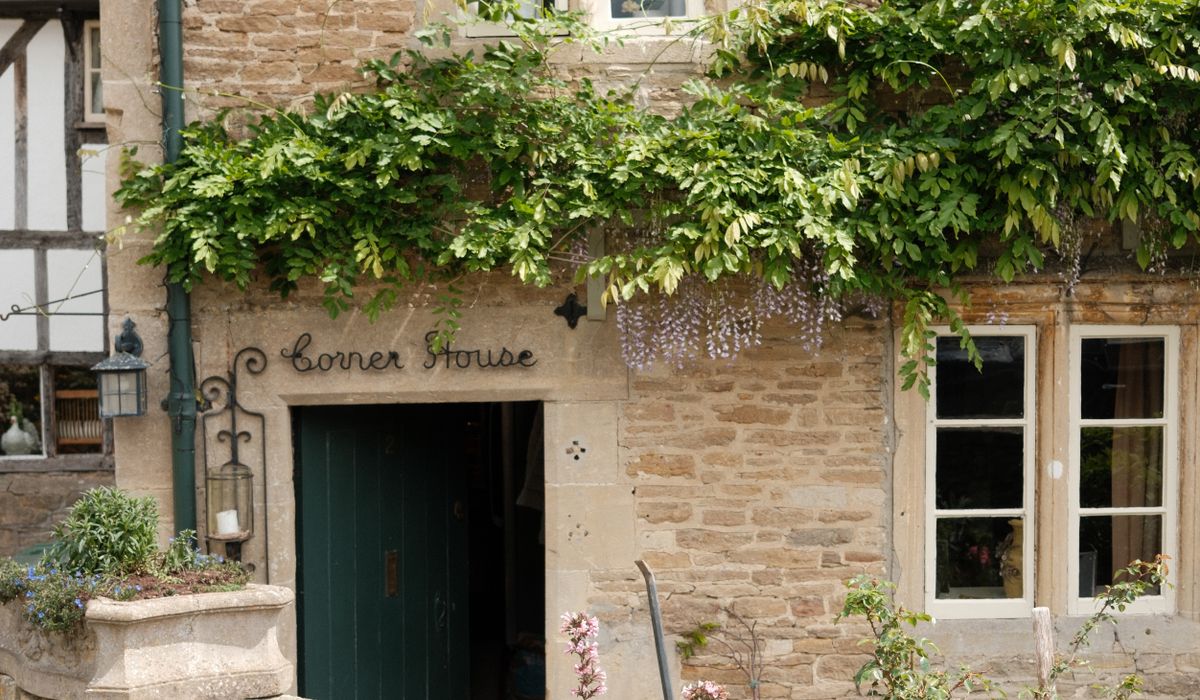
Drive through the Kent and Sussex Weald in late spring and you will see the signs go up before you see the bunting: hand-painted boards at the end of a lane, a chalked arrow on a gatepost, a laminated notice in the village shop window. Fete season in the Weald does not announce itself loudly. It simply arrives, as it has for well over a century, tied to the farming year and the church calendar. May brings the maypole, July brings the produce show, September brings the hop harvest and the flower show, and the autumn bonfire nights close the circle. For anyone living in a converted oast house or a timber-framed cottage down a Wealden lane, these events are not quaint extras. They are the quickest route into a community.
Every village does it slightly differently, but the best fetes share a recognisable skeleton. You will usually find:
The charm lies in the unevenness. A fete that runs too smoothly has usually lost something.
Maypole dancing remains the most photographed and least understood of the Wealden traditions. It is not difficult, but it is disciplined: children learn to walk rather than run, to keep tension in the ribbon and to count their bar, so the plait forms cleanly around the pole. Most villages teach it in the weeks before May Day, often in the school hall or under a coach who has done it since she was seven. If your village has a maypole, volunteer to help with the practices. If it does not, a simple pole on the green with eight ribbons is enough to start.
From May onwards the calendar fills quickly. Fetes, open gardens, church fêtes, ploughing matches, sheepdog displays and village cricket fixtures all compete for the same warm Saturdays. Keep a note of them in one place, because word of mouth moves faster than any printed programme.
Newcomers often hesitate to enter, afraid of competing against growers who have been showing marrows since before they were born. Enter anyway. Classes are usually divided so that beginners and children have their own ground, and the entry fee is rarely more than a pound.
Read the schedule carefully — it is a legal document in miniature. If it says six beans, matching, with stalks, that is exactly what the judge wants. Stage your entry on a clean plate, wipe the rim, and put the label where it can be read without touching the exhibit. For preserves, a filled jar with a neat waxed disc and a handwritten label will beat a shop-bought look every time. Judges mark down for smears, for mismatched produce and for flowers with damaged foliage. They also, quietly, mark up for effort.
If your village has lost its fete, reviving it is easier than you might think — but it needs a committee of at least six and a treasurer who enjoys spreadsheets.
Living in a converted oast — those roundel walls, the white cowl turning in the wind, the kiln floor now a sitting room — is a reminder that the Weald's beauty was made by work. Hops, charcoal, iron and timber built these villages, and the fetes grew out of the same rhythm of seasons and shared labour. Join the committee, bake for the tea tent, judge nothing and enter everything. That is how the traditions survive: not preserved in aspic, but carried forward by people who show up, put up a trestle table and stay to stack the chairs at the end.


We are not gonna make spamming
