
Wattle Hill Journal shares practical, down-to-earth guidance on rural heritage and oast house living in the kent and sussex weald for readers across the UK.
- 0123456789
- Angle Bd Abdelmoumen & rue soumaya, Résidence
- [email protected]
Wattle Hill Journal shares practical, down-to-earth guidance on rural heritage and oast house living in the kent and sussex weald for readers across the UK.
 By James Ashdown
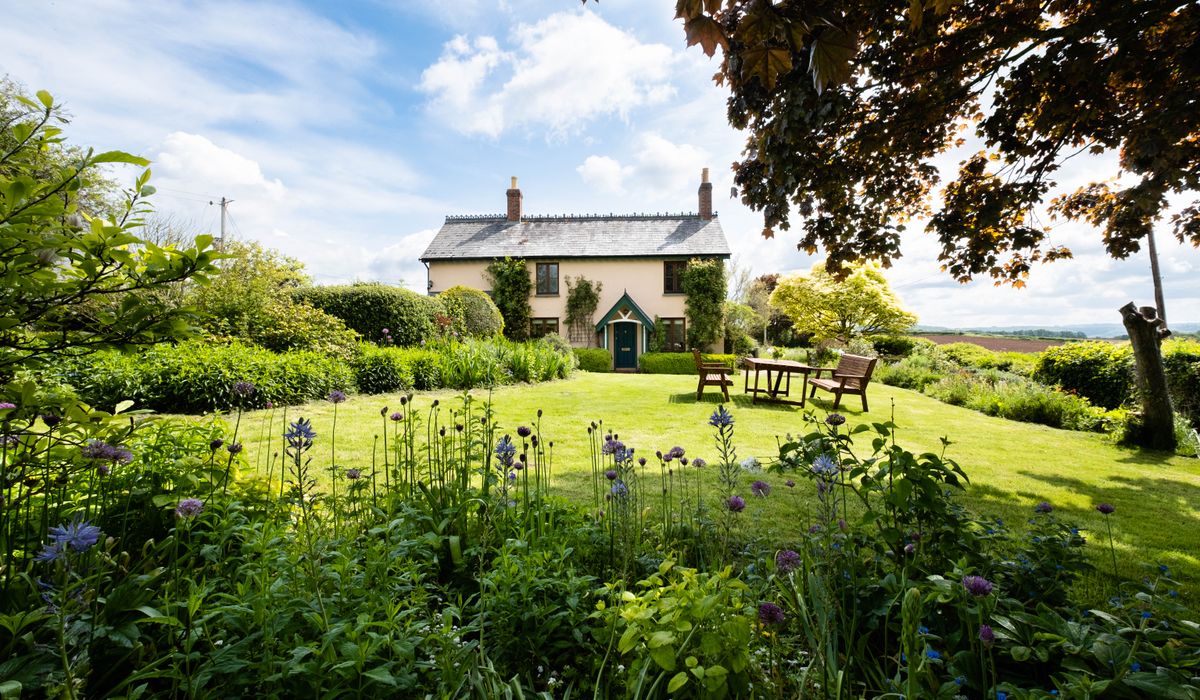
By early September the hedgerows of the Kent and Sussex Weald have begun to bow under their own weight. Blackberries hang over the lanes, elderberries cluster on their drooping stems, and the sloes are still hard and blue-black against the thorn. For the families who once lived and worked around the oast houses — the hop kilns that give this landscape its strange, cowled silhouettes — that fruit was never decorative. It was the household's jam, its ketchup, its country wine, and a way of stretching sugar and store-cupboard space through the winter.
A mixed autumn jam is the simplest way back into that rhythm. On its own, a blackberry jam is pleasant but thin in flavour; on its own, a sloe jam is austere enough to make your teeth ache. Together, with a few apples to bring the set, they make something dark, sharp and grown-up — a jam that tastes like a wet afternoon in the woods.
Start with the law, because it is not as permissive as many people assume. In England and Wales, the Wildlife and Countryside Act 1981 allows you to pick fruit, flowers and fungi growing wild for your own use, but not to dig up plants. That right does not extend everywhere: nature reserves, Sites of Special Scientific Interest and many commons have their own bylaws, and the right to roam across open country does not include a right to take plants from it. On farmland, always ask. Most landowners say yes to a jam-maker with a basket; almost none say yes to someone who never asked.
Then the practical business. Pick above knee height on lanes where dogs pass, and avoid verges beside sprayed arable fields. Take a basket or a paper carrier — fruit sweats and crushes in plastic. Wear long sleeves, and gloves if you are going after sloes. Leave plenty behind; the berries are winter food for thrushes and blackcaps. Wash everything in cold water when you get home, and pick out the leaves, the stalks and the occasional small passenger.
None of these three berries sets reliably alone, which is where the orchard comes in. Apples are rich in pectin, and the best of all are crab apples and unripe Bramleys — the green, hard windfalls you would otherwise leave on the grass. As a rough guide, allow about 250g of roughly chopped apple per 1kg of prepared berries. They will all but dissolve into the jam, adding body without announcing themselves.
Acid helps pectin do its work, so a good squeeze of lemon juice is worth having. Sugar should be generous: around 750g to 1kg per 1kg of fruit pulp, depending on how many sloes you have used. Warming the sugar in a low oven first helps it dissolve quickly, which matters — undissolved crystals can turn up later as a gritty texture.
Jam only keeps if the jars are properly clean. Wash them in hot soapy water, rinse well, and stand them upside down in an oven at 140°C for fifteen minutes to dry and sterilise. Boil the lids for five minutes and lift them out with tongs. Fill the jars while both jar and jam are hot, right to the neck, and run a clean knife around the inside to release any trapped air. A wax disc on top is traditional; a well-sealed lid is essential.
Label with the month and your fruit mix, then store somewhere cool and dark. A dark, softly set hedgerow jam — spooned onto hot toast, or loosened with a little water and poured over venison — is one of the small, honest pleasures of the Weald in autumn, and it costs nothing but a walk and an afternoon.


We are not gonna make spamming
